Updated: July 2026
Eco-Friendly & Sustainable Phinisi Charters In Indonesia
Eco-Friendly & Sustainable Phinisi Charters in Indonesia
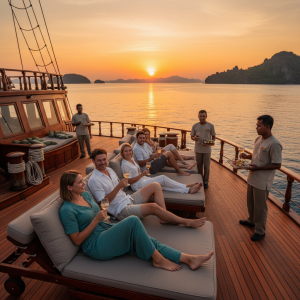
Eco-friendly phinisi yacht charters in Indonesia merge traditional craftsmanship with sustainable practices, offering travelers a unique and responsible way to explore the stunning waters of Komodo National Park and beyond. These handcrafted Bugis boats are not just vessels; they symbolize a commitment to preserving the environment while providing unforgettable adventures.
The Allure of Phinisi Yachts
The phinisi is an iconic sailing vessel, originally crafted by the Bugis people of Sulawesi. These boats, often made from local timber, have been elegantly designed for both beauty and functionality. As of 2026, a week-long charter on a classic phinisi yacht can cost anywhere between $1,500 to $5,000 depending on the level of luxury and amenities offered. With a capacity to accommodate small groups, these yachts allow you to sail through crystal-clear waters while minimizing your carbon footprint compared to larger cruise ships.
Sustainable Liveaboard Practices in Indonesia
Indonesia’s marine environment is precious, making it vital for tour operators to adopt sustainable practices. Eco-friendly phinisi yacht charters prioritize sustainability through various initiatives:
- Waste Management: Phinisi boats are equipped with waste management systems that sort and process waste onboard, ensuring proper disposal. Many operators now utilize composting toilets and minimize single-use plastics.
- Solar Energy: Some charters incorporate solar panels to power essential equipment, reducing reliance on fossil fuels. This is a significant step towards carbon neutrality.
- Local Sourcing: By sourcing food and materials locally, these charters support local economies while reducing transportation emissions. Meals often highlight local cuisine, enhancing the cultural experience.
By choosing a sustainable liveaboard, travelers contribute to preserving the rich biodiversity of Indonesia’s waters. In 2026, expect to spend approximately $200 per day for a fully inclusive sustainable charter that includes meals, activities, and equipment.
Reef Safe Behavior While Snorkeling in Komodo
When exploring the underwater beauty of Komodo, practicing reef-safe snorkeling behavior is crucial. Eco-friendly phinisi yacht charters offer guidance on best practices, such as:
- Avoiding Sunscreens with Harmful Chemicals: Opt for reef-safe sunscreens that do not contain oxybenzone or octinoxate, which can damage coral reefs.
- Minimizing Contact: Snorkelers are encouraged to avoid touching corals or marine life. Guides often provide educational briefings on maintaining distance from sensitive ecosystems.
- Proper Fin Techniques: Using snorkeling fins designed for reef protection can help in avoiding accidental damage to the seabed.
By adopting these practices, visitors can enjoy the vibrant marine life, including manta rays and turtles, while ensuring that these ecosystems remain intact for generations to come.
A Plastic-Free Komodo Yacht Charter
Amidst the growing plastic pollution crisis, a plastic-free lifestyle is essential. Many phinisi yacht charters in Indonesia are at the forefront of this movement:
- No Single-Use Plastics: Operators eliminate single-use plastics by providing reusable water bottles and food containers. Guests are encouraged to bring their eco-friendly gear.
- Plastic-Free Initiatives: Some charters organize beach clean-ups on remote islands, offering guests an opportunity to contribute actively to environmental preservation.
- Awareness Campaigns: Regular briefings and workshops on the impact of plastic waste and the importance of reducing consumption help educate travelers while they sail.
By choosing a plastic-free charter, you not only enjoy the beauty of the Komodo archipelago but also play a part in protecting it.
How Phinisi Boats Manage Waste
Waste management on phinisi yachts is often a complex affair, especially in remote areas where waste disposal options are limited. Most eco-friendly phinisi charters implement the following strategies:
- Onboard Recycling: Many boats offer recycling bins to separate plastics, metals, and paper products, ensuring they are disposed of properly onshore.
- Waste Treatment Systems: Advanced systems convert waste into non-toxic substances, which can be safely disposed of during port calls.
- Composting: Organic waste from meals is often composted onboard, providing nutrient-rich material that can be used for local gardens.
The combination of conscious waste management practices helps minimize the environmental impact of sailing in these pristine waters.
Choosing an Ethical Komodo Tour Operator
Selecting an ethical tour operator is crucial for ensuring that your trip supports local communities and ecological conservation. When evaluating potential charters, consider:
- Local Employment: Operators that hire local Bugis crews not only provide employment but also enrich the visitor experience through their knowledge of the area.
- Community Engagement: Look for companies that actively participate in or contribute to local community projects, whether it be through education, infrastructure, or conservation efforts.
- Positive Reviews: Seek recommendations from previous travelers about their experiences with operators’ sustainability practices and community involvement.
Supporting local communities creates a more enriching travel experience while promoting the long-term sustainability of the region.
Responsible Manta Ray Tourism in Komodo
Komodo National Park is renowned for its incredible marine life, including majestic manta rays. Responsible tourism is essential to protect these creatures:
- Strict Guidelines: Ethical operators adhere to guidelines that ensure the safety of both tourists and marine life, including no touching or feeding of manta rays.
- Limited Capacity: To reduce stress on manta populations, some tour operators limit the number of snorkelers in the water at any given time.
- Education: Many charters provide educational materials about manta ray behavior and conservation, enhancing the overall experience while fostering respect for marine wildlife.
By participating in responsible manta ray tourism, travelers contribute to the protection of these remarkable creatures, ensuring they thrive in their natural habitat.
Calculating the Carbon Footprint of Your Komodo Yacht Trip
Understanding the carbon footprint of your yacht trip can help you make informed decisions about your travel choices. On average, a week-long phinisi yacht charter can produce approximately 0.8 to 1.2 tons of CO2 per passenger. Reducing this footprint can be achieved by:
- Opting for Eco-Friendly Operators: Choose operators that have carbon offset programs, which invest in renewable energy or reforestation projects.
- Traveling Off-Peak: Visiting during the shoulder seasons can lessen the demand on resources and reduce your overall environmental impact.
- Limiting Air Travel: Consider combining your trip with a longer stay in Indonesia to minimize air travel emissions.
With responsible planning, you can enjoy a luxurious experience on the water while being conscientious of your environmental impact.
Conclusion
Eco-friendly phinisi yacht charters in Indonesia provide a unique opportunity to explore the breathtaking landscapes of Komodo and support sustainable tourism practices. As travelers, we hold the power to make choices that benefit the environment and local communities. When you choose a responsible operator, adhere to best practices, and engage with local cultures, you an adventure that honors both the beauty and integrity of this remarkable region.
Start planning your eco-friendly voyage today!
FAQ
- What is the price range for a phinisi yacht charter? Prices for a week-long charter typically range from $1,500 to $5,000 in 2026, depending on the level of luxury and included amenities.
- How can I ensure my trip is eco-friendly? Choose a charter that implements sustainable practices like waste management, local sourcing, and no single-use plastics.
- What are the best months to visit Komodo? The best times to visit are from April to November, avoiding the rainy season while enjoying optimal weather conditions.
Explore more from Phinisiyachtcharter
- Phinisiyachtcharter — home
- 7-Day Phinisi Yacht Charter Atelier Itinerary
- Phinisi Yacht Charter Atelier vs Alternatives Comparison
- 3-Day Phinisi Yacht Charter Atelier Itinerary
- Group & Corporate Phinisi Charters In Komodo
- Labuan Bajo Luxury vs Budget Phinisi Experiences